Joinery woodwork is really a craft that’s gained quite a bit of attention in both the construction world and the furniture scene. You know, according to the National Association of Home Builders, about 70% of custom-built homes actually feature some form of joinery woodwork — mainly because it’s super versatile and looks amazing. People like Thomas Hargrove from Hargrove Joiners keep stressing how crucial precision is in this line of work. He often says, ‘Joinery is where craftsmanship and functionality really come together.’
It’s a pretty intricate skill, but honestly, it’s what makes homes stand out visually and boosts the durability of furniture too. Using quality woods and solid joinery techniques isn’t just about looks—it also supports sustainable building practices. That said, it’s not all smooth sailing. Many joinery pros struggle a bit with blending modern tech tools with traditional methods, and that can sometimes cause inconsistency in quality.
Even with those challenges, I think the future’s still bright. As demand grows, innovation will be the way forward. Plus, the perks of using high-quality joinery include not just making your property more valuable but also giving you more room to personalize your space. Industry reports even show that homes with custom joinery tend to fetch about 15% higher prices. So, mixing new techniques with traditional craftsmanship can really lead to some pretty amazing results.
What is Joinery Wood Works?
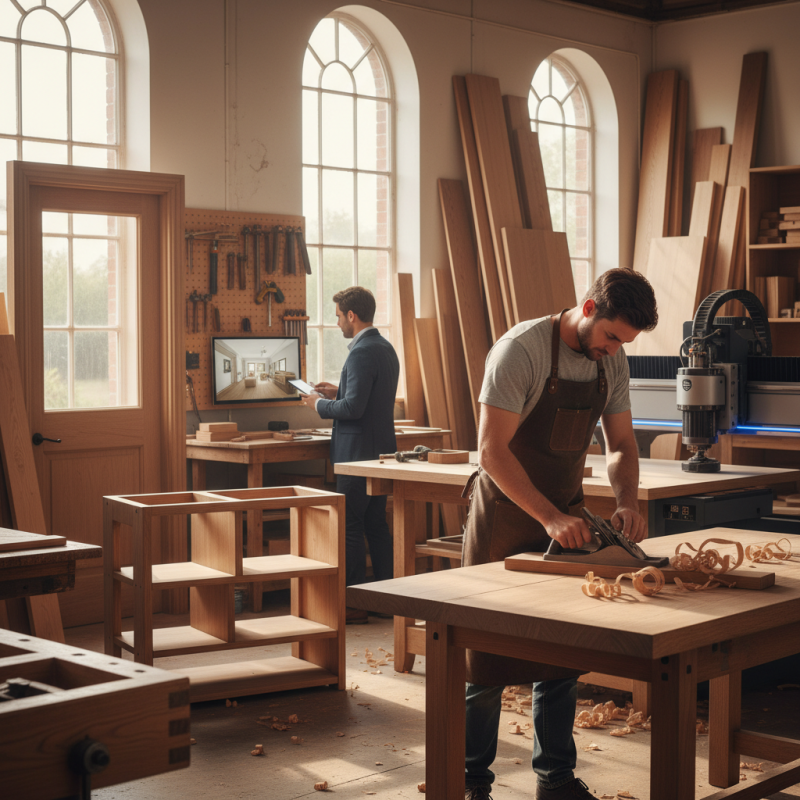
Joinery wood works involve crafting furniture and structures by joining wood pieces without the use of nails. This technique has been used for centuries, showcasing both functionality and artistry. A recent industry report indicates that the global market for joinery is expected to grow by 6% annually, underscoring its enduring appeal. SkilLED joiners combine precision with creativity, producing unique pieces that reflect the client's personality.
When it comes to joinery, quality matters. Remember that not all joints are created equal. Dovetail joints, for example, are strong and aesthetically pleasing. They are ideal for drawer construction. However, not everyone can master these techniques. Practice is essential, and even experienced joiners may need to refine their skills constantly.
One tip for aspiring joiners is to invest in good quality tools. A well-made chisel or saw can enhance the experience and results. Think carefully about wood selection too. Different species react differently to humidity and temperature changes, impacting the final outcome. Each piece can tell a story, but understanding the materials is crucial. Mistakes will happen—embrace them as learning opportunities, and challenge yourself to improve.
Joinery Wood Works: Benefits Overview
The History and Evolution of Joinery Techniques
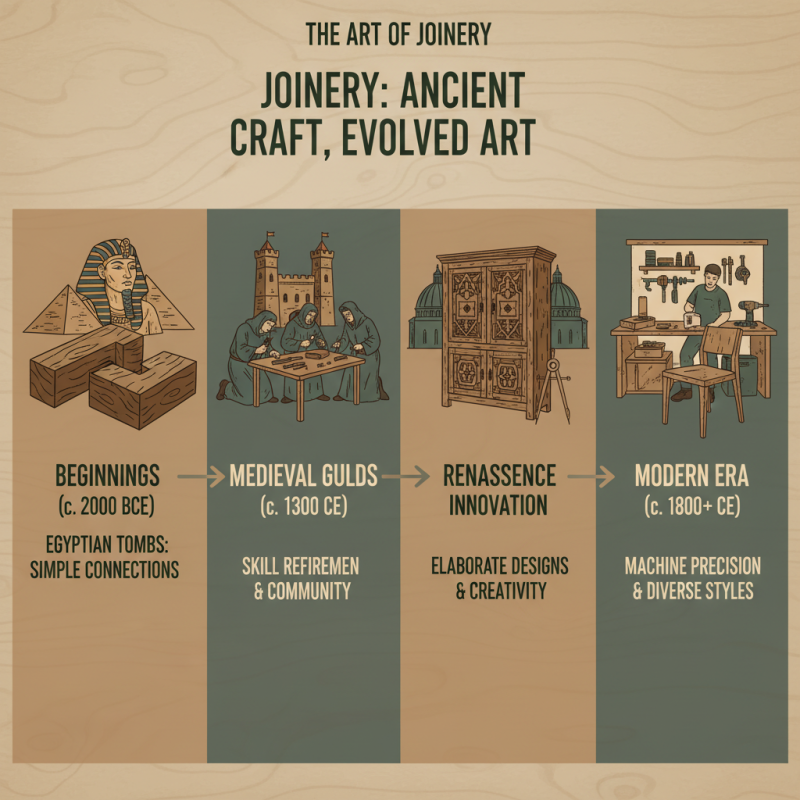
Joinery woodwork has a rich history that dates back thousands of years. Initially, it began with simple techniques to connect wooden pieces. Egyptian tombs reveal how ancient craftsmen used joinery to create sturdy furniture. Over time, joinery evolved into more sophisticated methods, enhancing both functionality and aesthetics. During the Middle Ages, guilds formed, further refining these skills. The Renaissance period saw a surge in creativity, leading to intricate designs and elaborate join structures.
In modern woodworking, joinery remains crucial. It defines the strength and beauty of wood products. Techniques like dovetail and mortise-and-tenon contribute to longevity. Each joint tells a story of craftsmanship. However, beginners often rush through learning these methods. Proper practice is vital, yet many get frustrated with failures. Remember, each imperfect joint teaches valuable lessons.
Tip: Start with simpler projects to build confidence. Focus on foundational joints before trying complex designs. This will help you appreciate the art of joinery better. Embrace mistakes; they are part of the learning process. As you progress, revisit earlier works. You'll see improvement and growth in your craft.
Types of Joinery Methods and Their Applications
Joinery methods are essential in woodworking, allowing pieces to fit together seamlessly. Common techniques include dovetail joints, mortise and tenon, and butt joints. Dovetail joints, often used in drawer construction, are known for their strength and durability. They create a beautiful, interlocking design that can elevate simple furniture pieces.
Mortise and tenon joints are another popular choice. This method provides excellent strength and is commonly seen in table and chair legs. The precision required for this joint can be challenging, especially for beginners. However, mastering it can lead to more robust and lasting creations.
Butt joints, while easier to make, may lack the same strength as the others. They are often used for quick projects. However, relying solely on them might result in weaker constructions. Understanding each method's benefits and drawbacks can improve your woodworking skills significantly. Each joint has its place and purpose, and reflection on their application is vital for growth.
Materials Commonly Used in Joinery Wood Works
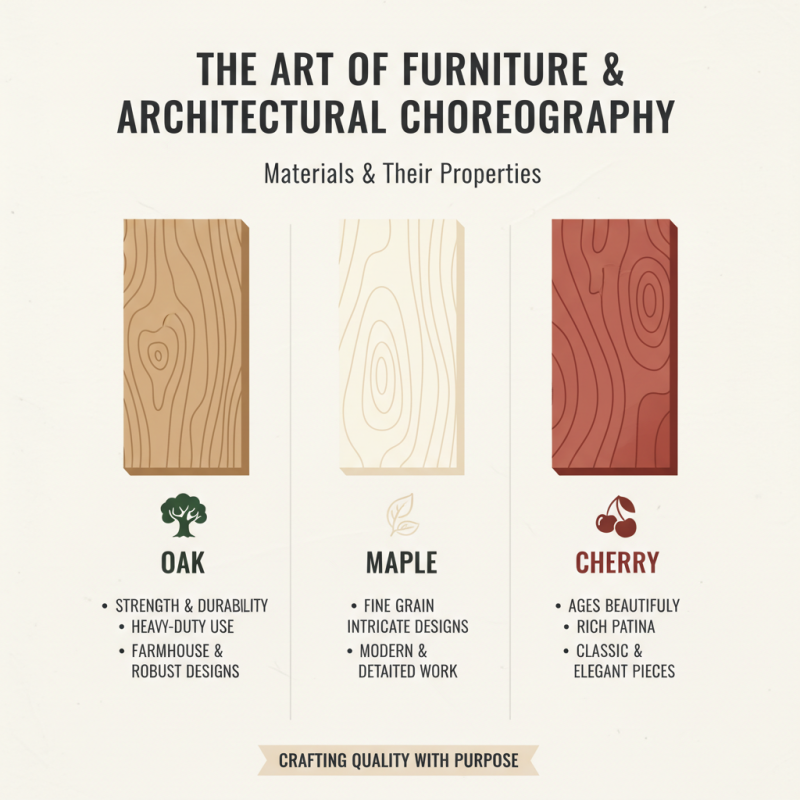
Joinery wood works are essential in crafting high-quality furniture and architectural features. Various materials are used in these projects, each with unique properties. Common woods include oak, maple, and cherry. Oak is known for its strength and durability, making it ideal for heavy-duty use. Maple offers a fine grain and is perfect for intricate designs. Cherry ages beautifully and develops a rich patina.
Manufacturers often rely on high-grade plywood and MDF for joinery. Plywood is versatile and stable, minimizing the risk of warping. MDF provides a smooth surface, allowing for precise cuts. However, these materials can emit VOCs, which may impact indoor air quality.
**Tips:** Always choose sustainable wood sources. Research local suppliers that practice responsible forestry. Investing in quality materials can save costs in the long run.
While joinery wood works enhance aesthetics, the tools used can be a double-edged sword. Using high-quality tools ensures better precision but can be costly. Sometimes, it’s beneficial to borrow tools rather than buy. Seek advice from experienced woodworkers to find the best practices for using different materials effectively.
Benefits of Joinery in Furniture and Home Construction
Joinery is a crucial aspect of furniture and home construction. It refers to the art of connecting pieces of wood in a secure and aesthetic manner. This technique improves the durability of furniture, reducing wear and tear over time. According to the Woodworking Industry report, properly joined pieces can increase the lifespan of furniture by up to 30%. This means more value for your investment.
Moreover, joinery methods enhance the visual appeal of a space. Well-crafted joints can showcase fine craftsmanship. For instance, dovetail joints in drawers are not only functional but also add elegance. The National Association of Home Builders indicates that high-quality joinery can increase property value by 15% to 20%. However, not all joinery looks appealing. Poor craftsmanship can lead to uneven gaps and misalignment, which may detract from overall aesthetics.
There's an emotional aspect too. A well-made piece carries stories and memories. However, some joinery methods, like butt joints, may look simple and can fail under stress. It's essential to reflect on how joinery choices impact both functionality and style. Understanding these nuances can lead to a more informed decision in both furniture selection and home construction, creating lasting value in your living space.
What is Joinery Wood Works and How Does It Benefit You? - Benefits of Joinery in Furniture and Home Construction
| Aspect | Description | Benefits |
| Craftsmanship | Joinery involves specialized techniques to connect wooden pieces without the use of nails or screws. | Provides a clean finish and enhances the aesthetic appeal of furniture. |
| Durability | Well-executed joinery results in robust and long-lasting wooden structures. | Increases the lifespan of furniture and reduces the need for repairs. |
| Customization | Joinery allows for a wide range of design options tailored to specific preferences. | Enables unique furniture designs that reflect personal style. |
| Eco-Friendliness | Joinery techniques often utilize sustainable and renewable wood sources. | Promotes environmentally conscious building practices. |
| Value Addition | High-quality joinery can add intrinsic value to furniture pieces. | Enhances resale value and marketability of furniture. |
Tips for Choosing a Joinery Service Provider
Joinery woodworks play a crucial role in creating functional and aesthetic wooden structures. Choosing the right joinery service provider is vital for ensuring high-quality results. Many homeowners overlook important factors. A 2022 industry report indicates that nearly 40% of joinery projects face delays due to poor contractor selection.
When selecting a joinery service, consider experience. An experienced provider has a proven track record. They understand different wood types and their applications. Look for reviews or testimonials from past clients. These insights often reveal the quality of work and reliability. Interestingly, 25% of consumers prioritize recommendations over other factors.
Moreover, it's essential to discuss your project fully. Effective communication prevents misunderstandings. Be clear about your vision and requirements. A good joiner should ask questions to clarify your needs. Take note, as some providers might gloss over details. Make sure they provide a transparent quote, covering all aspects of the project. Flawless execution relies on a solid foundation of shared understanding.
Maintaining and Caring for Joinery Wood Products
Caring for joinery wood products is essential for their longevity. Regular maintenance can prevent wear and tear. Dust accumulation can dull their finish. Wipe surfaces with a soft cloth to keep them clean. Moisture is another enemy. Excess humidity can warp wood. Ensure proper ventilation in areas where wooden products are placed.
Use coasters to protect surfaces from spills. Heat can also damage finishes. Avoid placing hot items directly on wood. Instead, use trivets or mats. Check for any scratches. A simple wood polish can help restore the shine. However, too much polish can make surfaces sticky, so use it sparingly.
Inspect joints and connections regularly. Over time, these areas can loosen. Tighten screws or reinforce joints if needed. Remember, every piece of wood tells a story. It's okay if it has some imperfections. Each mark adds character and history. Embrace these details as part of its charm.
The Art of Public Speaking: Elevating Narratives Through Wood, Voice, and Emotion
In the realm of public speaking, the fusion of wood, voice, and emotion crafts narratives that resonate deeply with audiences. A well-designed lectern serves as the foundation for this art, providing speakers with a dignified platform that enhances the delivery of their message. The refined craftsmanship of modern lecterns allows for customization in colors and specifications, making them suitable for a variety of environments, from classrooms to corporate meeting rooms. The electrostatic spraying technology used in their construction ensures durability and environmental friendliness, creating not just an aesthetic appeal but also a long-lasting presence in any setting.
Moreover, the functionality of a lectern goes beyond mere support for notes and materials. Contemporary designs incorporate integrated microphones, Adjustable Desk lamps, and even built-in speakers, catering to the diverse needs of speakers. This adaptability allows for seamless presentations, where every element works in harmony to elevate the speaker’s narrative. Whether speaking in a hotel ballroom or a school auditorium, having a lectern with ample storage for presentation materials and customizable features empowers speakers to focus on what truly matters—their connection with the audience through impactful storytelling.
FAQS
: Joinery connects pieces of wood securely. It enhances durability and aesthetics in furniture.
Well-joined pieces can increase lifespan by 30%. This adds more value over time.
Quality joinery showcases craftsmanship. Dovetail joints can add elegance to drawers.
Yes, poor craftsmanship can create uneven gaps and misalignment. It may detract from beauty.
Regular care prevents wear. Dust and moisture can damage finishes and warp wood.
Wipe surfaces with a soft cloth regularly to keep them clean and prevent dullness.
Excess humidity, heat from hot items, and spills can harm wood and finishes.
Use wood polish to restore shine but avoid overapplying to prevent stickiness.
Regularly inspect joints and tighten screws as needed. Reinforce them if they feel loose.
It's okay to embrace imperfections. Each mark can add character and tell a unique story.
Conclusion
Joinery wood works is a specialized craft that involves connecting wooden pieces to create structures, furniture, and more. This art form has evolved over centuries, with innovative techniques appearing to enhance both functionality and aesthetics. Various joinery methods, such as dovetail and mortise-and-tenon, serve different applications, ensuring strength and durability in constructions. Common materials, including hardwoods and softwoods, are often utilized in joinery wood works to achieve optimal results.
The benefits of joinery in furniture and home construction are significant. They include enhanced structural integrity, improved aesthetic appeal, and increased longevity of wooden products. When choosing a joinery service provider, it’s crucial to consider their experience and craftsmanship. Additionally, maintaining and caring for joinery wood products is essential for preserving their beauty and functionality over time. Overall, joinery wood works plays a vital role in creating high-quality wooden structures that withstand the test of time.